
In our fast-paced world, the stress and hustle can sometimes feel overwhelming. While traditional medical practices are vital, many are turning to ancient and holistic methods for an added layer of healing. Alternate therapies, ranging from reiki to yoga, offer unique benefits that can enhance our emotional and physical well-being. For instance, reiki healing benefits the body, mind, and spirit by providing a complementary approach to modern medicine. At SoulSensei, we explore these valuable tools, guiding you through the dilemma of what is alternate therapy and how it can enhance your journey toward health and wellness.
Understanding Alternate Therapies
Alternate therapies encompass a broad range of practices that step outside traditional medicine, offering unique approaches to health and healing. Often used in conjunction with conventional treatments, these therapies can play a pivotal role in managing and improving emotional health. From the soothing strokes of massage to the energetic alignments of reiki, each modality offers a different path to balance and well-being, emphasising the importance of healing a person rather than just treating the symptoms.
Benefits of Exploring Alternate Therapies
Alternate therapies are celebrated for their holistic approach to health, offering several benefits:
- Comprehensive Health: They address not just physical symptoms but also emotional and spiritual well-being.
- Personal Empowerment: These therapies often involve personal participation, giving individuals an active role in their healing process.
- Low Risk: Many alternate therapies are non-invasive and use natural products, reducing the risk of side effects.
- Preventative Care: They can help maintain health and prevent illness by balancing the body’s systems.
While alternate therapies should not replace conventional medical treatments, they can be a valuable complement when conducted by trained professionals.
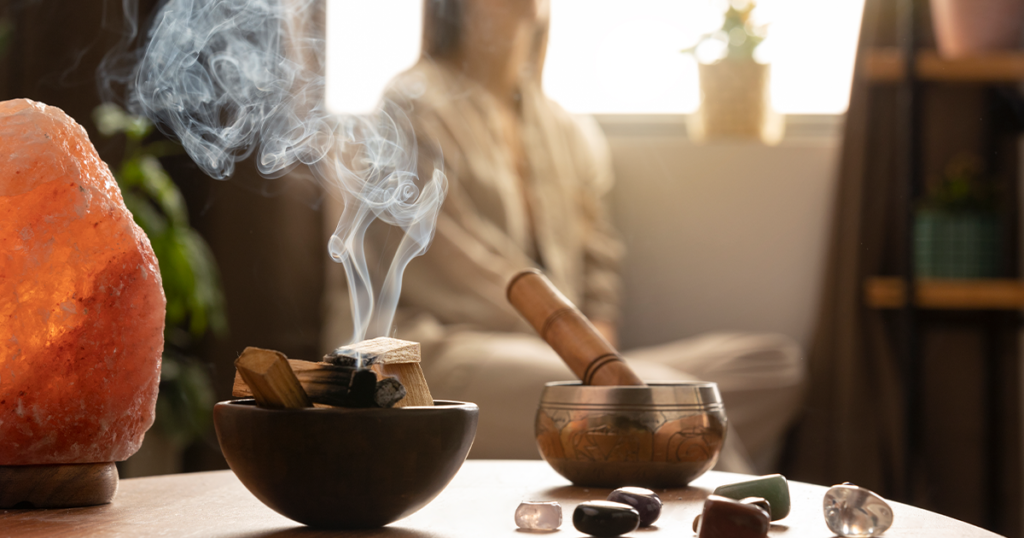
6 Popular Types of Alternate Therapies
Here’s a comprehensive overview of six popular types of alternate therapies, covering everything from “What is Emotional Freedom?” to understanding each therapy’s key benefits and how to practise them effectively with the right guidance.
| Type of Therapy | What Is It? | Key Benefits | Practitioner |
| Reiki Healing | Reiki healing is a Japanese form of energy healing where practitioners use a hands-on or distance method to channel energy to the recipient. | Reiki healing benefits the body as well as the mind by promoting relaxation. It reduces stress and aids in emotional healing. | Certified Reiki Practitioners |
| Emotional Freedom Technique (EFT) | A psychological acupressure technique that uses tapping on specific meridian points while addressing emotional issues. | Reduces emotional distress, and alleviates anxiety and depression symptoms. | Trained EFT Practitioners |
| Chakra Healing | Focusing on activating and balancing the body’s seven chakras, this journey into self-discovery teaches you how to activate chakras through yoga, meditation, and energy healing, fostering holistic well-being. | Enhances emotional and physical well-being, and increases energy levels. | Energy Healers, Yoga Instructors |
| Hypnotherapy | Uses hypnosis to induce a deep state of relaxation and heightened focus to address behavioural or emotional issues. | Aids in smoking cessation, weight loss, stress reduction, and phobia management. | Licensed Hypnotherapists |
| Aromatherapy | Utilises plant-based essential oils to improve the mind, body, and spirit. | Reduces anxiety, eases depression, boosts energy levels, and improves digestion. | Aromatherapists |
| Tai Chi | A form of martial arts that emphasises slow, flowing body movements and deep breathing. | Improves balance, reduces stress, enhances heart health, and improves muscular strength. | Tai Chi Instructors |
This table provides comprehensive details about each therapy, outlining their specific applications, benefits, and the professionals qualified to guide individuals through each therapeutic process. But here are some considerations for who should avoid or be cautious about practising certain alternate therapies:
1. Reiki Healing
- Individuals with pacemakers should consult their doctor due to potential interference with energy fields.
- Those with severe psychological disorders might need to approach Reiki healing under professional guidance to avoid exacerbating symptoms.
2. Emotional Freedom Technique (EFT)
- People with severe mental health issues should be under clinical supervision to ensure emotional safety.
- Individuals uncomfortable with physical touch or tapping might find it distressing.
3. Chakra Healing
- Those who are sceptical or uncomfortable with spiritual or metaphysical concepts might not benefit as much.
- People with severe anxiety or psychosis should approach with caution as intense focus on internal states may exacerbate symptoms.
4. Hypnotherapy
- Unsuitable individuals with severe mental health disorders like schizophrenia, as it may trigger or worsen symptoms.
- Those with severe cognitive impairment may not be able to engage effectively or safely in the sessions.
5. Aromatherapy
- Individuals with allergies or respiratory issues should be cautious, as some essential oils can trigger reactions.
- Pregnant women should avoid certain essential oils known to induce contractions or affect hormone levels.
6. Tai Chi
- While generally low impact, individuals with joint problems or severe osteoporosis should consult a physician first.
- Those with balance issues should practise under supervision to prevent falls.
Alternate therapies offer a rich stack of options for those seeking to enhance their health and well-being beyond conventional medical treatments. At SoulSensei, we offer the insights and guidance necessary to explore these therapies safely and effectively. Whether you’re questioning “Does Emotional Freedom Technique really work?” or want to delve deeper into Reiki energy healing and the physical alignment of yoga, we’ve got you covered. Embrace the journey of health through these ancient practices that have supported generations.
Sources
- Forbes Health. (2023). Alternative Therapies: Types And Uses. [online]
- Verywell Mind. (n.d.). What to Know About Alternative Therapies. [online]
Frequently Asked Questions
1. What is the goal of alternate therapy?
The goal of alternate therapy is to provide holistic treatment focusing on the overall well-being of the individual, rather than just addressing specific symptoms. These therapies aim to improve physical, emotional, mental, and sometimes spiritual health, offering a comprehensive approach to wellness that complements modern medical practices.
2. Are alternate therapies effective?
The effectiveness of alternate therapies can vary widely depending on the type, the condition being treated, and the individual. Some therapies like acupuncture, yoga, and meditation have been found effective in numerous studies, especially for reducing pain and improving mental health. However, effectiveness can be subjective and may also depend on the quality and approach of the practitioner.
3. Why are alternate therapies important?
Alternate therapies are increasingly important in modern times due to the growing interest in holistic and preventive health care. They offer non-invasive options and emphasise self-care, which appeals to those seeking natural ways to manage health. Additionally, they can provide relief for conditions that are often poorly addressed by consuming medicines only, enhancing quality of life, and offering therapeutic options that align with personal beliefs and preferences.